Centrale Danone: Crisis Communications & Content Strategy
The challenge
Centrale Danone was in the middle of a nationwide boycott that cut milk sales by 40% within its first ten days and would end the year in a 538 million dirham loss. There was no existing playbook for this. I worked alongside a group of communications and industry experts to develop the response’s concept and name, “Ntwaslo w Nwaslo” (“let’s talk, to move forward”), not a plan handed down pre-formed. Whatever we built had to read as genuine dialogue to a public already convinced the company wouldn’t listen, and it had to work at the scale of multiple cities, in person and online, simultaneously.
The approach
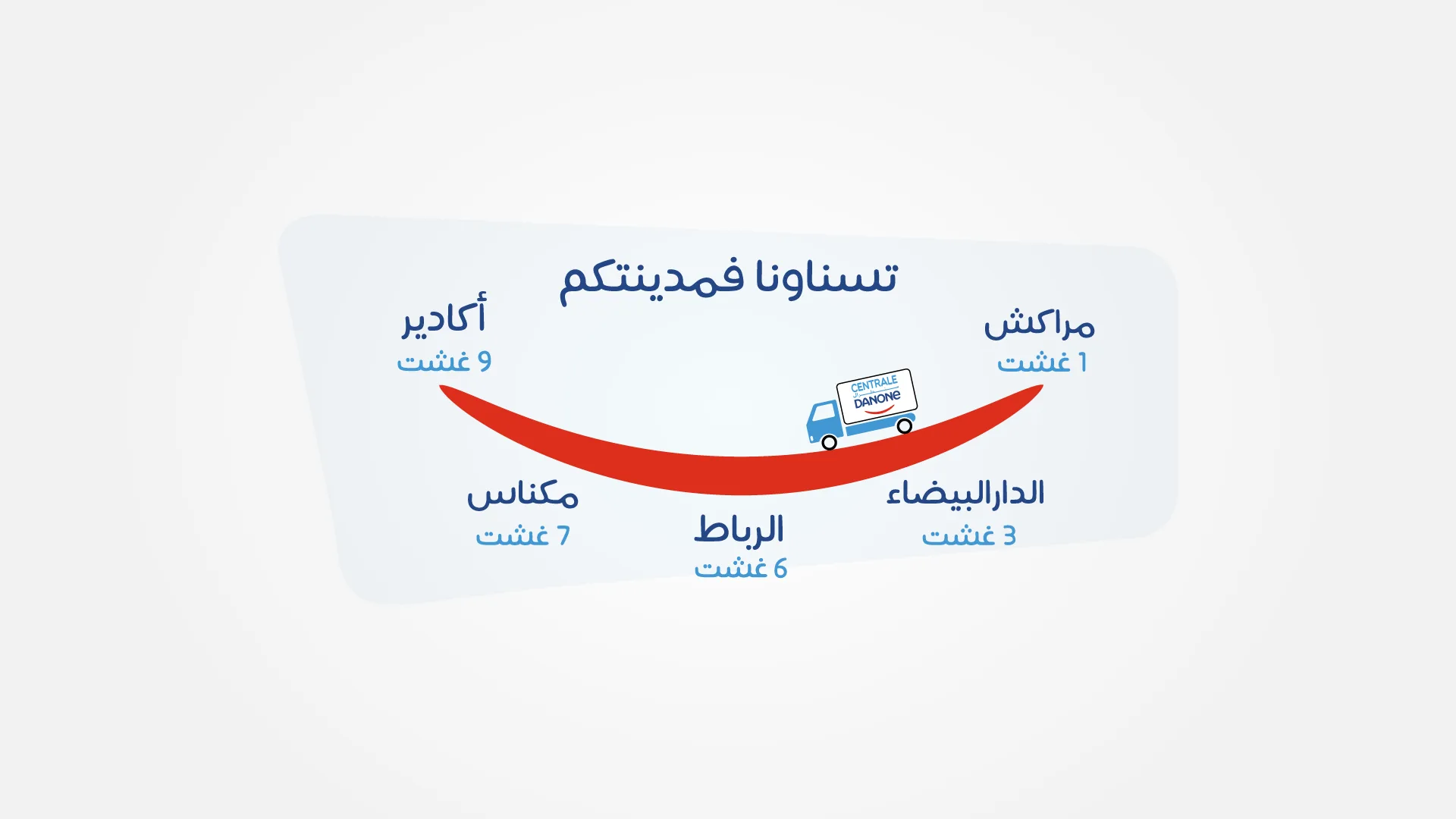
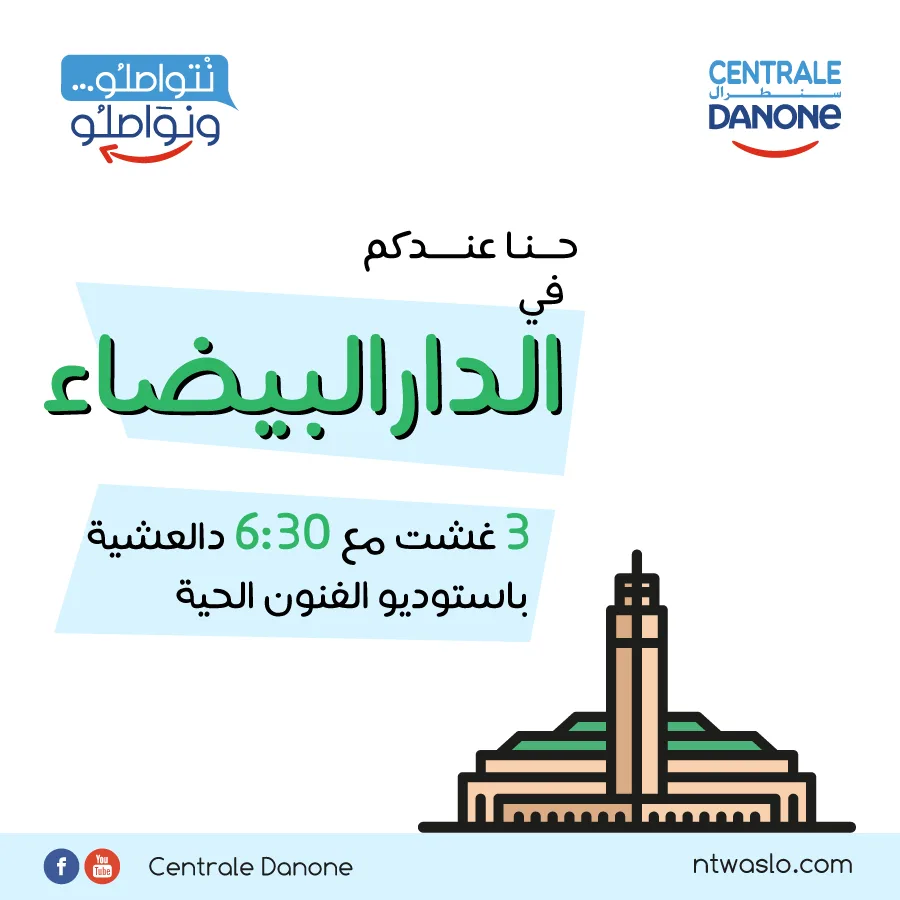
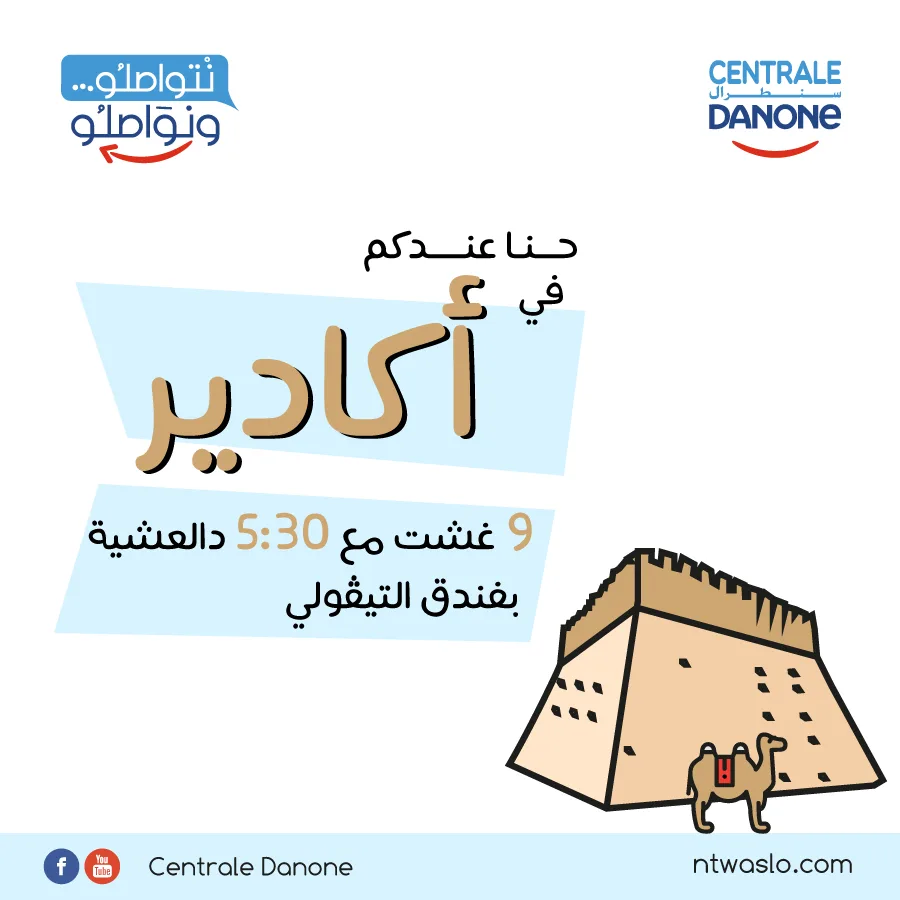
The instinct in most corporate crises is to control the room, a curated press event, a scripted statement, distance from the anger rather than exposure to it. We did the opposite: we put boycotting consumers in the same room as the farmers, cooperative owners, and feed producers whose livelihoods depended on Centrale Danone, unscripted, because the boycott was fundamentally about distrust, and a controlled event would have confirmed exactly what people already suspected. The risk was real, an open room can turn into a pile-on, so we invested in moderation to keep it a debate rather than a confrontation, and it held. We also refused to make it exclusive. Every event was publicly announced by city, we booked large venues and ran paid ads specifically to drive attendance, and for anyone who couldn’t physically attend, we live-streamed on Facebook and YouTube and published the consultation results as content the same day. Nothing about the process was closed enough to be dismissed as staged. And on community management, we didn’t default to either extreme, going quiet to avoid conflict, or running a defensive rebuttal campaign. We trained our community managers on a formal speaking charter so they could engage directly, including actively countering narratives pushed by other entities that stood to benefit from Centrale Danone’s losses, while staying strictly accurate rather than combative.
The execution
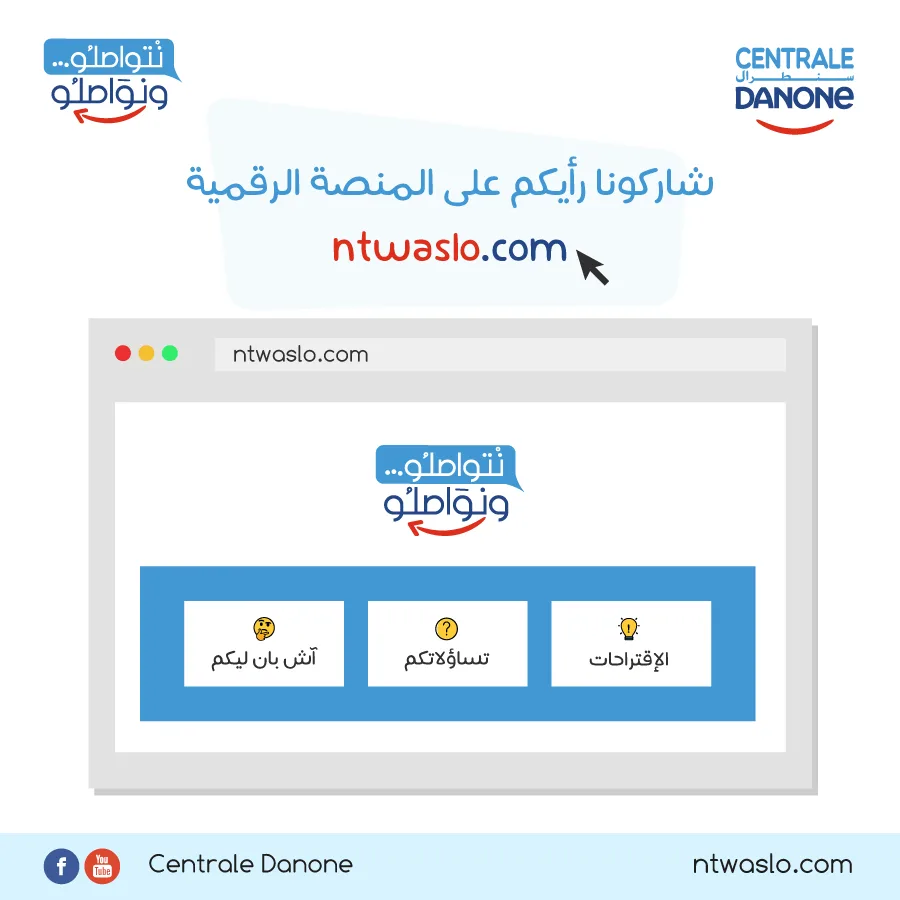
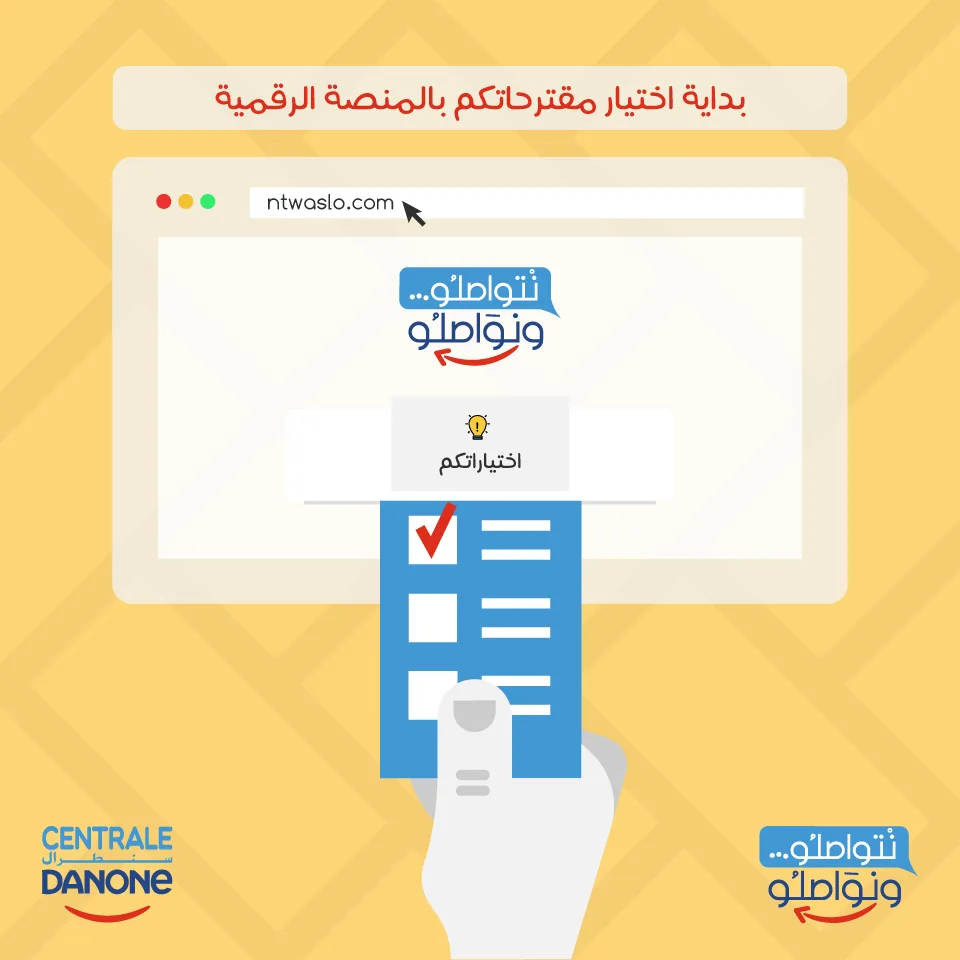
- 01Built the campaign’s complete visual and content identity, deliberately distinct from Centrale Danone’s standing corporate brand, custom icons, illustrations, and a dedicated portal (ntwaslo.com), so a skeptical public would read it as a stand-alone listening effort, not existing marketing repackaged
- 02Made physical access to the multi-city stakeholder events genuinely public rather than curated: publicly announced venues, large conference centers, and paid media specifically to drive attendance, so no one could credibly claim the audience had been selected
- 03Extended that same openness to anyone who couldn’t attend in person, live-streaming every event on Facebook and YouTube and surfacing remote platform and social questions directly into the live discussion in real time, then publishing consultation outcomes as content the same day, so distance from the room didn’t mean distance from the process
- 04Trained community managers on a formal speaking charter to engage directly through the campaign’s most hostile period, arguing points and countering narratives pushed by competitors benefiting from Centrale Danone’s losses, while holding to strict factual accuracy rather than combativeness
The results
- 9M+
Users reached
- 2.4M+
Daily video views
- 154K+
Daily engagements
Milk carton price cut 10% starting September 7, 2018, a direct outcome of the campaign.